Q&A with Clark Hibbs
Travis: Thanks for agreeing to this Q&A, Clark! Ever since I did my first CrossFit workout (circa 2010), I've been intrigued by it. Coming from more of a bodybuilding background, it gave me an opportunity to compete against myself and the clock. It was a welcome divergence from the traditional three sets of ten.
As CrossFit has grown from a niche training style to a worldwide phenomenon over the last few years, though, so too have the myths and misconceptions surrounding it. As a box owner, I'd love for you to clear the air regarding what actually goes on inside a CrossFit box on a day-to-day basis.
Let's start from the beginning: how do you define CrossFit?
Clark: CrossFit can be defined as constantly varied, functional movements, executed at a high intensity. We try to train movements that we see direct application or benefit to movements in everyday life, and we try to make it as fun as possible.
Travis: I think the fun is often what hooks people. It can sometimes be missing from other styles training.
What’s the difference between competitive CrossFit and CrossFit for the general population?
Clark: CrossFit is inherently competitive, but there is a big difference between the sport of fitness (CrossFit Games, Regionals, etc.) and your everyday class at your local CrossFit affiliate.
The sport of fitness is about winning at all costs and truly testing an individual's maximum work capacity. It’s not uncommon to see form breakdown and dangerous levels pushed… just like any other sport or competition. We don’t always see perfect tackles made in the NFL under the pressure of competition. A linebacker will do whatever’s necessary to take down the running back. In the same vein, we might not see the greatest clean form at the CrossFit Games either. A competitor will do whatever’s necessary to get that barbell to the shoulders and stood up.
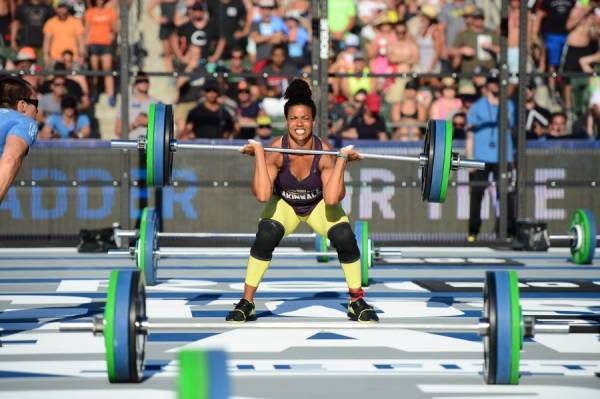
CrossFit for the general population is focused on one thing: making people healthier. Competition inside an affiliate leads to increased levels of intensity (which people otherwise might not reach on their own), but we should never let competition inside of an affiliate get to the level of excessive technique breakdown.
Travis: Thanks for agreeing to this Q&A, Clark! Ever since I did my first CrossFit workout (circa 2010), I've been intrigued by it. Coming from more of a bodybuilding background, it gave me an opportunity to compete against myself and the clock. It was a welcome divergence from the traditional three sets of ten.
As CrossFit has grown from a niche training style to a worldwide phenomenon over the last few years, though, so too have the myths and misconceptions surrounding it. As a box owner, I'd love for you to clear the air regarding what actually goes on inside a CrossFit box on a day-to-day basis.
Let's start from the beginning: how do you define CrossFit?
Clark: CrossFit can be defined as constantly varied, functional movements, executed at a high intensity. We try to train movements that we see direct application or benefit to movements in everyday life, and we try to make it as fun as possible.
Travis: I think the fun is often what hooks people. It can sometimes be missing from other styles training.
What’s the difference between competitive CrossFit and CrossFit for the general population?
Clark: CrossFit is inherently competitive, but there is a big difference between the sport of fitness (CrossFit Games, Regionals, etc.) and your everyday class at your local CrossFit affiliate.
The sport of fitness is about winning at all costs and truly testing an individual's maximum work capacity. It’s not uncommon to see form breakdown and dangerous levels pushed… just like any other sport or competition. We don’t always see perfect tackles made in the NFL under the pressure of competition. A linebacker will do whatever’s necessary to take down the running back. In the same vein, we might not see the greatest clean form at the CrossFit Games either. A competitor will do whatever’s necessary to get that barbell to the shoulders and stood up.
CrossFit for the general population is focused on one thing: making people healthier. Competition inside an affiliate leads to increased levels of intensity (which people otherwise might not reach on their own), but we should never let competition inside of an affiliate get to the level of excessive technique breakdown.


